Breaking the Silence: The Need for Menstrual Health Awareness in Nepal
Introduction
In many parts of Nepal, menstruation is still treated as a taboo subject — whispered about in secret, surrounded by myths, and often associated with shame. Despite being a natural part of every woman’s life, menstrual health remains one of the most neglected areas of public health education in Nepal.
The lack of open discussion has led to widespread misinformation, unhealthy practices, and serious health risks for countless women and girls across the country.
The Harsh Reality Faced by Women and Girls
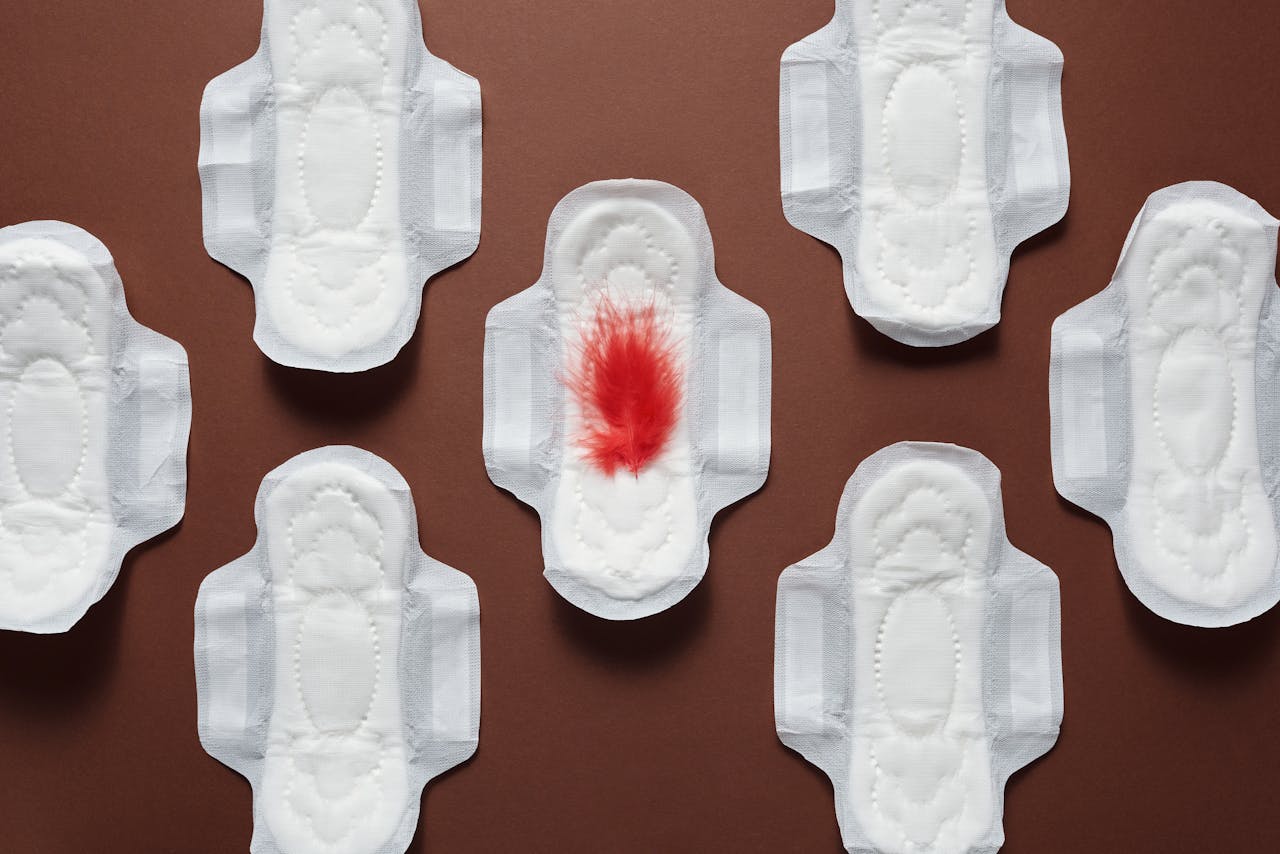
For many Nepali women, especially in rural areas, proper menstrual hygiene products are still unavailable, unaffordable, or socially discouraged. Instead, women are forced to rely on unhygienic alternatives such as old cloth, rags, or even leaves. These practices not only cause discomfort but also lead to serious reproductive health issues, infections, and long-term complications.
In some communities, girls are even forced to skip school during their periods due to the lack of safe menstrual products and private spaces to change and clean themselves. This deeply affects their education, confidence, and overall well-being.
The Cultural Silence
Menstruation in Nepal is often surrounded by deep-rooted cultural stigmas:
-
Chhaupadi practices still exist in some areas, forcing women to live in isolation during their period.
-
Girls are discouraged from participating in daily activities during menstruation.
-
Many still believe harmful myths that periods make women “impure.”
This silence creates a dangerous cycle where misinformation is passed down from one generation to the next, with little opportunity for women and girls to learn proper menstrual hygiene management.
Why Menstrual Health Education Matters
Breaking these taboos is not only about comfort — it’s a matter of health, dignity, and equality.
Proper menstrual health education:
-
Prevents infections and reproductive health issues.
-
Helps girls stay in school and continue their education.
-
Builds confidence and reduces shame.
-
Empowers women to make informed decisions about their bodies.
When women and girls have access to correct information and safe products, it transforms not only their health but also their entire quality of life.
How Sulav Sanitary Pad is Making a Difference
At Sulav Sanitary Pad, we believe that every woman deserves access to safe, hygienic, and affordable menstrual care — without shame or fear. Our mission goes beyond simply selling sanitary pads:
-
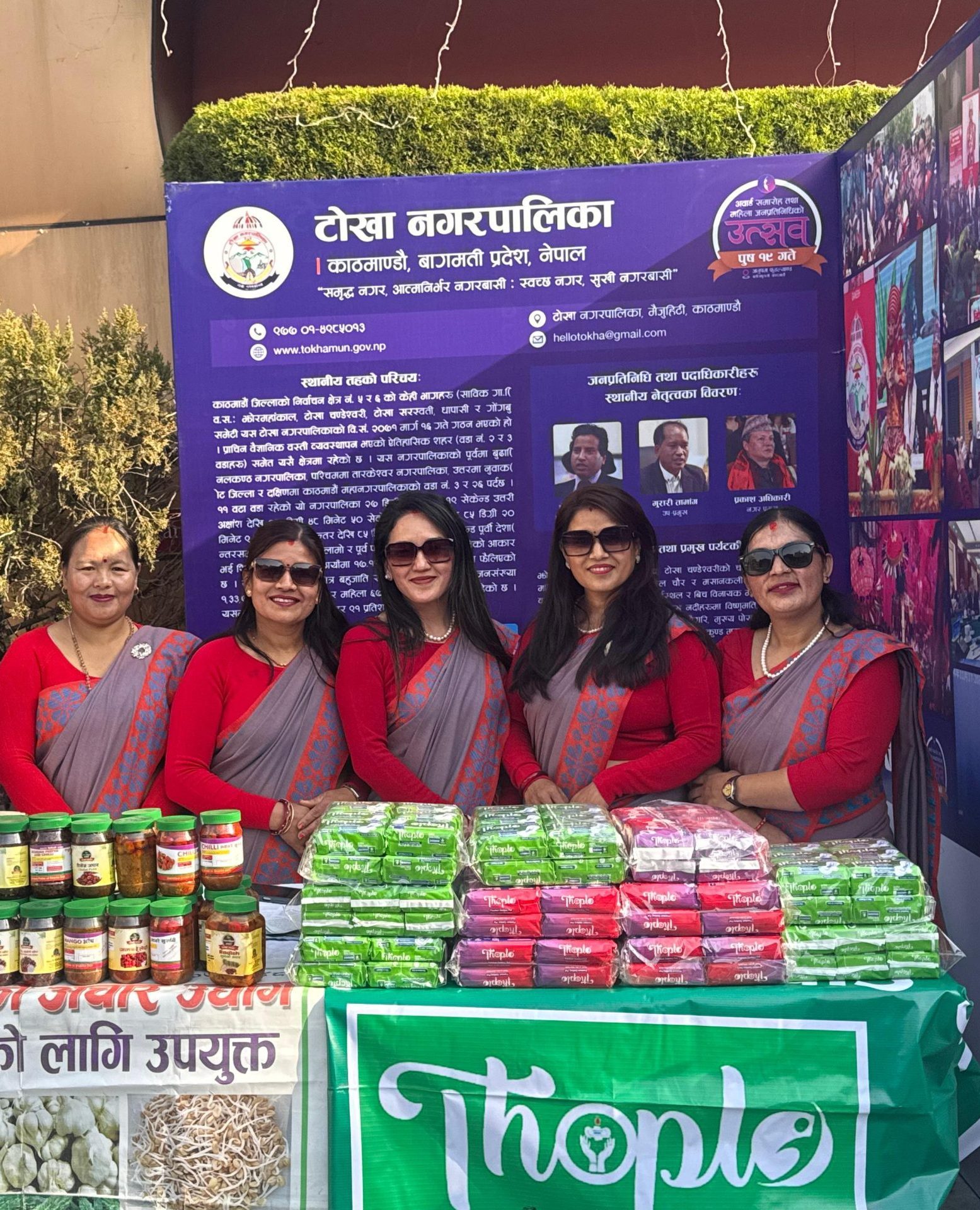
✅ We produce safe, sterilized, and skin-friendly sanitary pads using local materials and skills.
-
✅ We empower local women by providing jobs, training, and income opportunities.
-
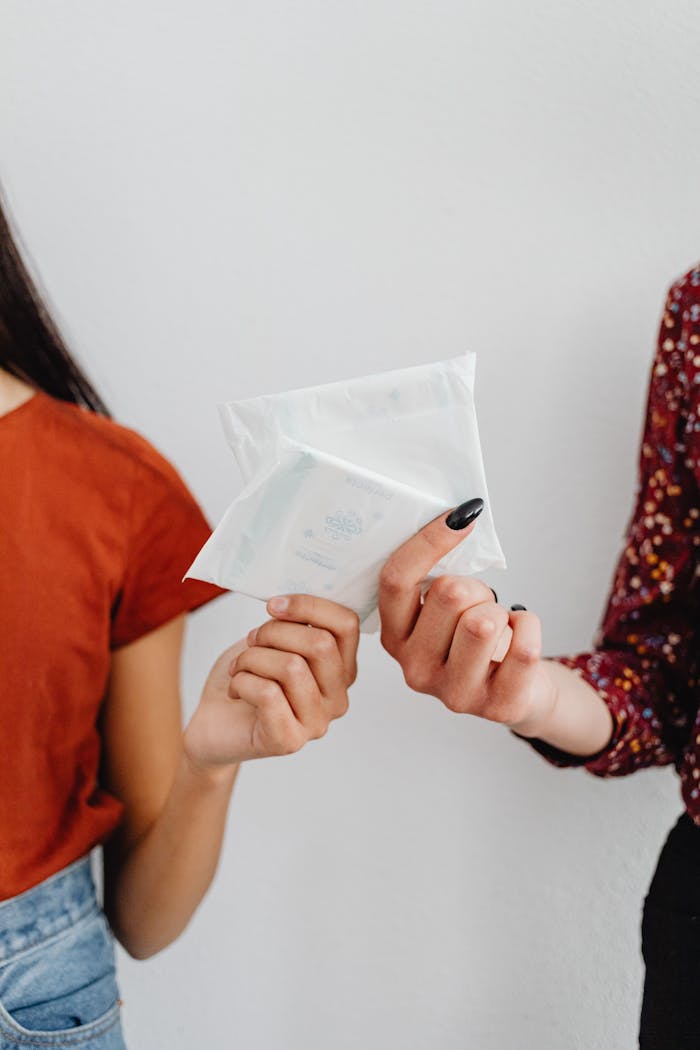
✅ We collaborate with schools, colleges, and communities to raise menstrual health awareness and promote open conversation.
-
✅ We replace imported products with locally made solutions that directly support Nepal’s economy.
By addressing both the lack of education and the lack of access to safe products, Sulav is contributing to a healthier, more empowered future for women across Nepal.
Conclusion
Menstruation should never be a source of shame or suffering. It is time for Nepal to break the silence, educate its communities, and provide safe, affordable solutions for menstrual health.
Sulav Sanitary Pad is proud to stand at the forefront of this movement — creating change one woman, one pad, and one conversation at a time.